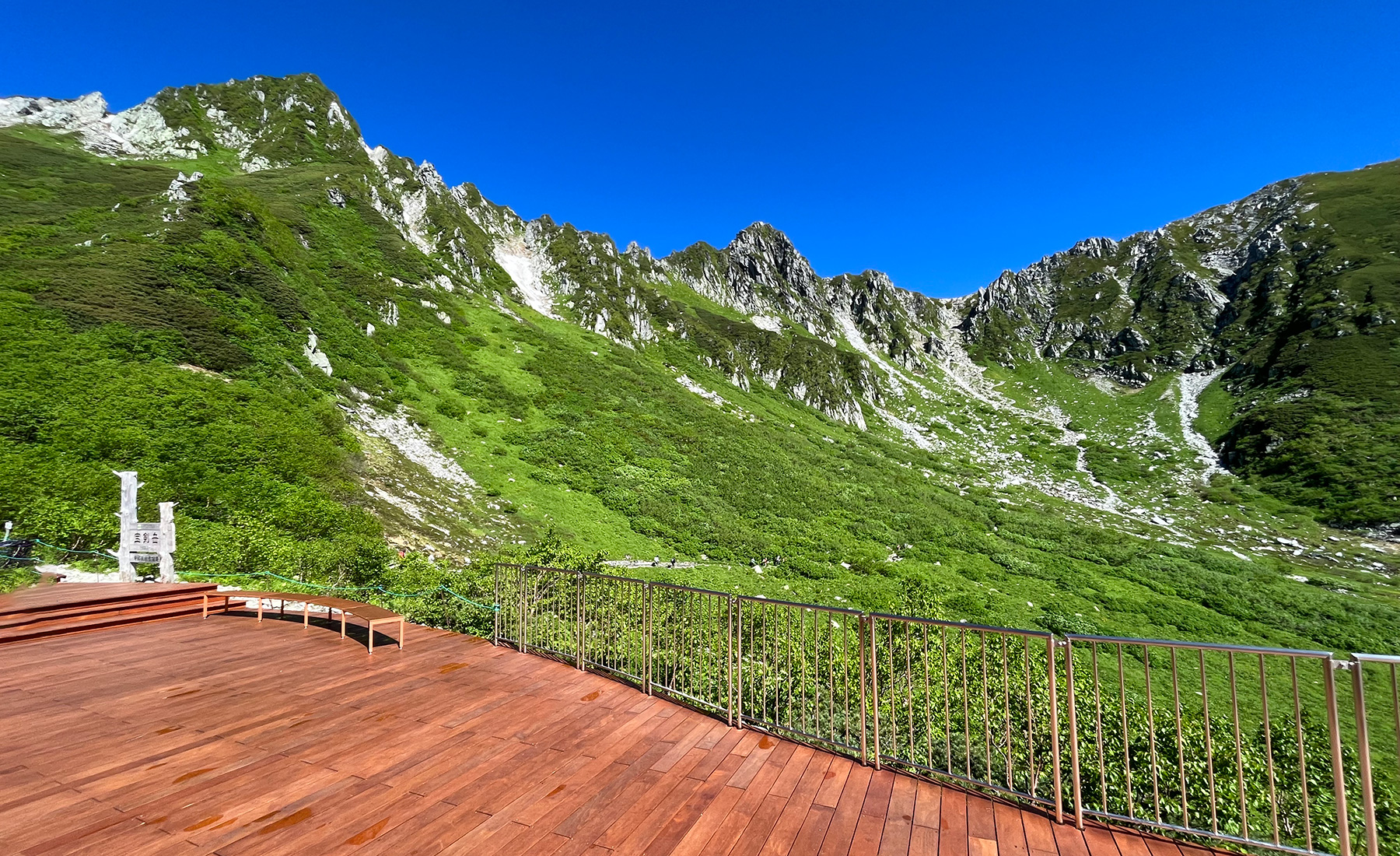
Senjojiki Cirque is a glacial cirque (a semicircular basin) formed during the Ice Age approximately 20,000 years ago. It is said to be large enough to hold 1,000 tatami mats, giving rise to the name “Senjojiki” (“one thousand tatami mats”). The Central Alps, home to Senjojiki Cirque, are designated as a Quasi-National Park. Visitors can enjoy a scenic 45-minute walk along the trail while experiencing one of Japan’s finest glacial landscapes and a rich variety of alpine plants in this rare natural environment.
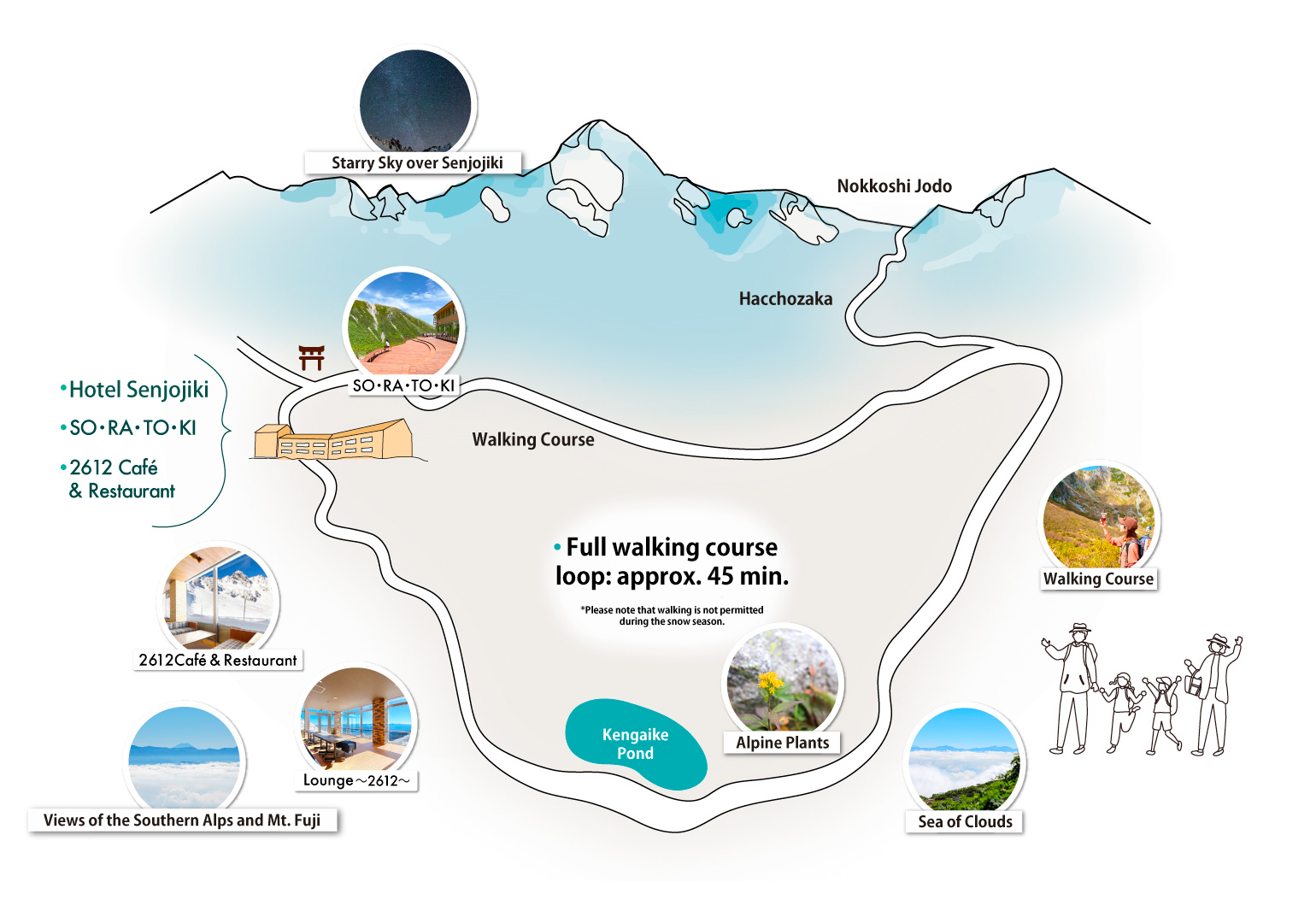
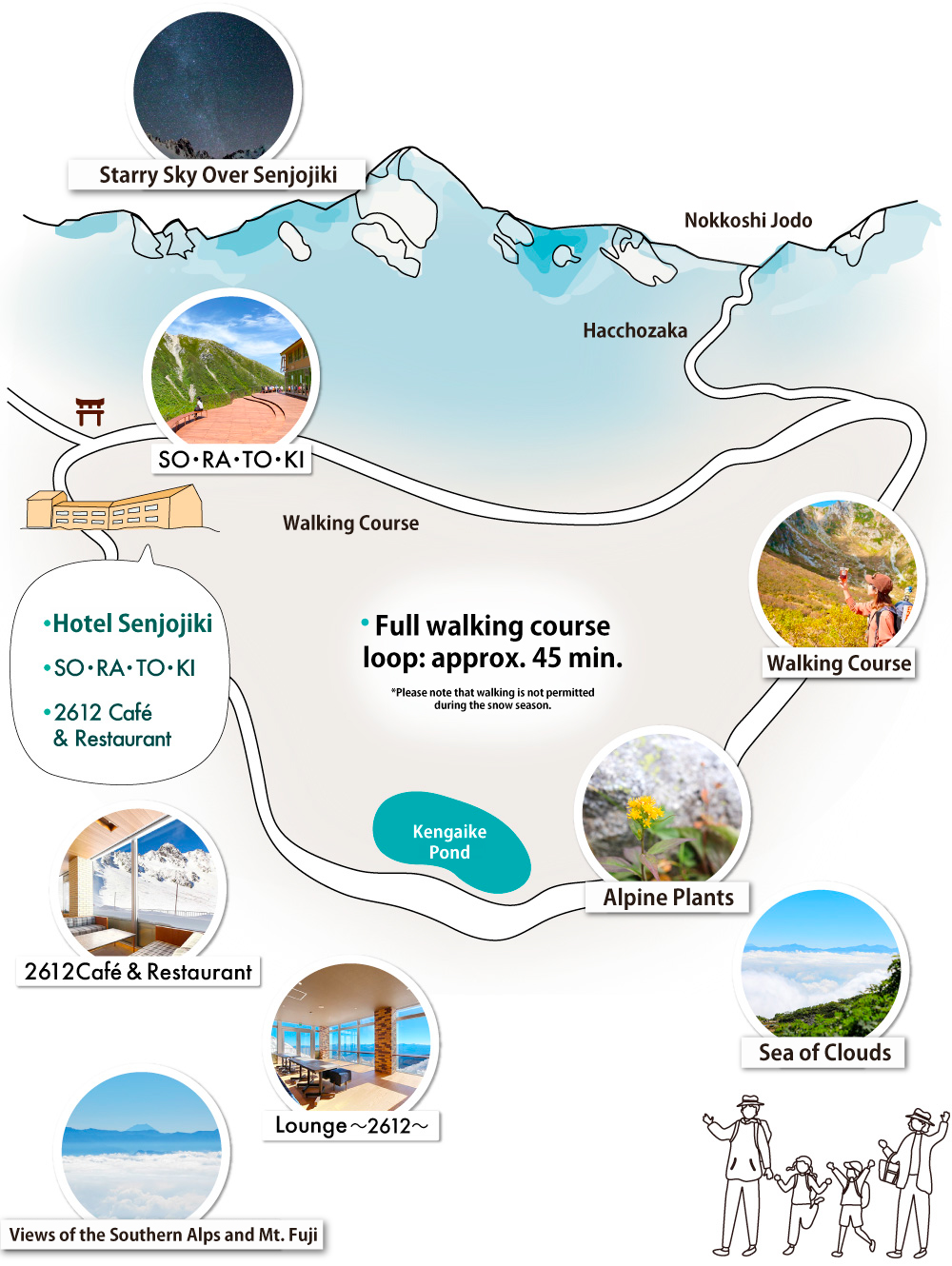
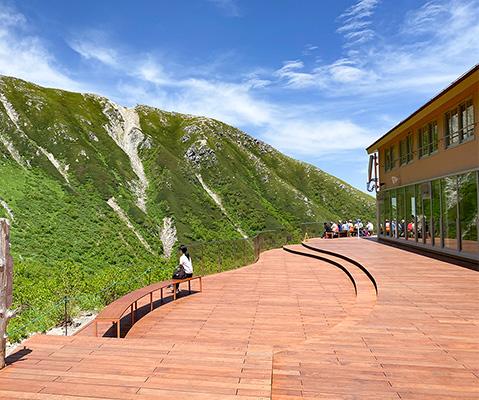
From “Japan’s closest terrace to the sky,” you can enjoy a panoramic view of Senjojiki Cirque and Mount Hoken. We hope you have a wonderful time here, surrounded by nature and the warmth of the wood.
See more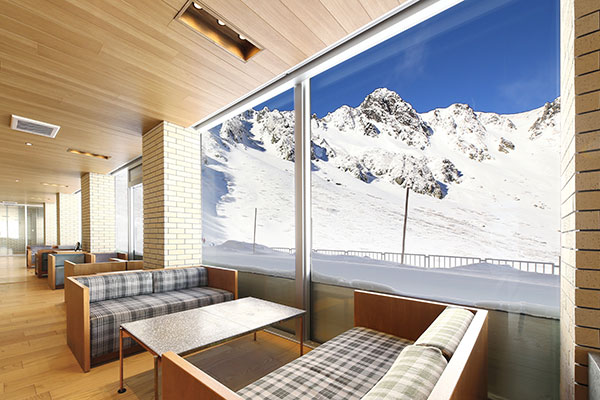
The interior is inspired by a mountain lodge, with a touch of luxury, and features an original menu. You can also enjoy breathtaking views of the Central Alps through the large windows.
See more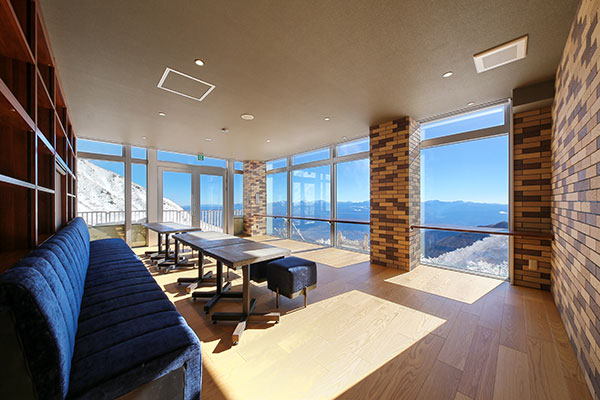
This private room offers a panoramic view of the Southern Alps and Komagane city. During the day, it serves as a paid lounge, and in the evening, it is open free of charge to hotel guests.
See more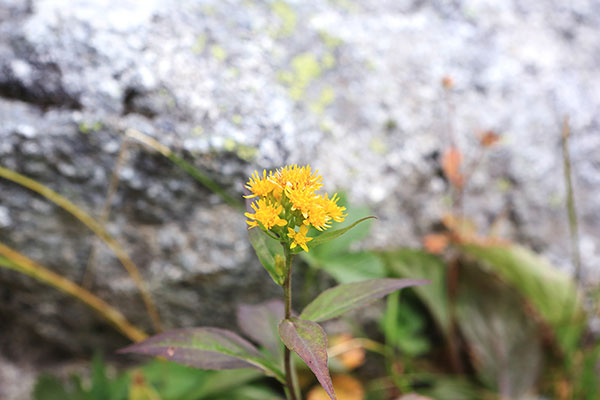
Senjojiki Cirque is home to around 150 species of beautiful alpine plants, making it one of Japan’s finest spots for alpine flora. From summer onward, the cirque is filled with colorful blooms.
See more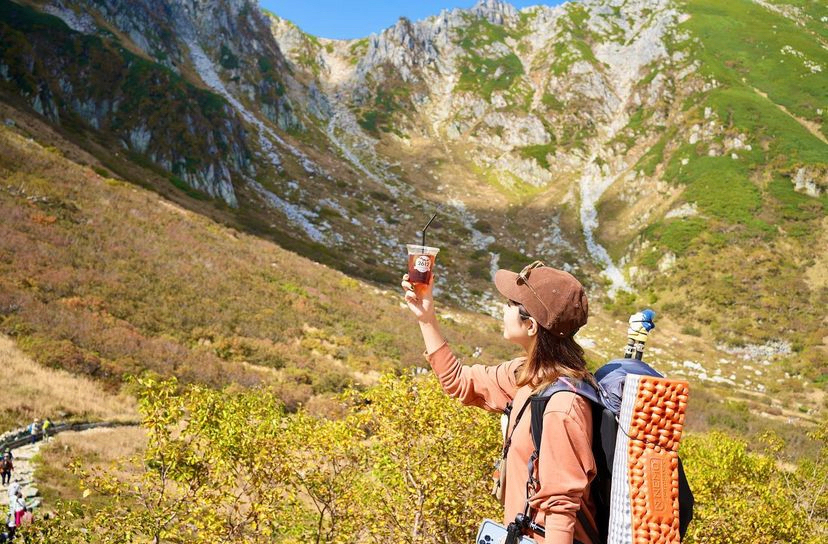
Enjoy the walking course in your everyday clothes. Comfortable shoes, such as sneakers, are recommended.(The walking course is closed from December through June due to snow.)
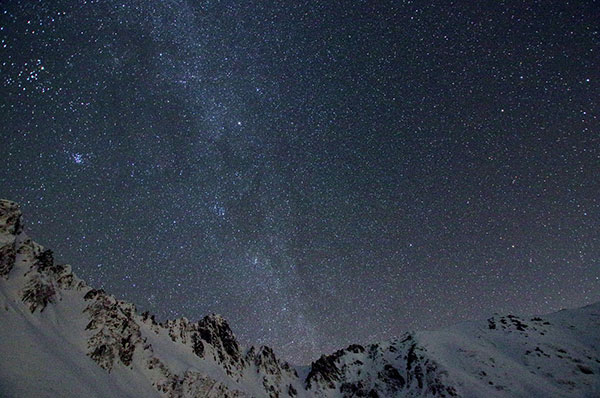
Thanks to the crisp, clear air typical of high-altitude regions and the absence of surrounding lights, you can enjoy a star-filled sky unlike anything you’d see down below.
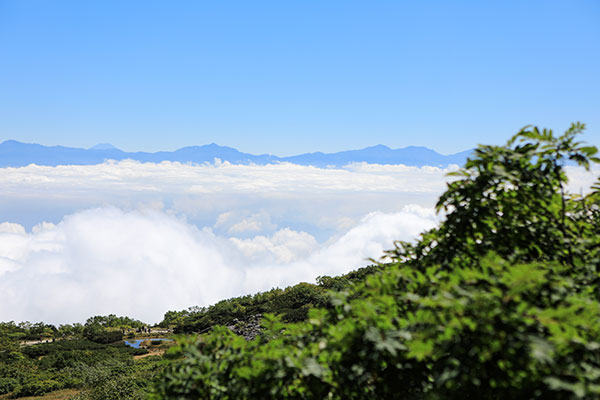
If you’re lucky, you might even see a sea of clouds on the way to the Southern Alps! The chances are slim, but if it does happen, the view is absolutely breathtaking!
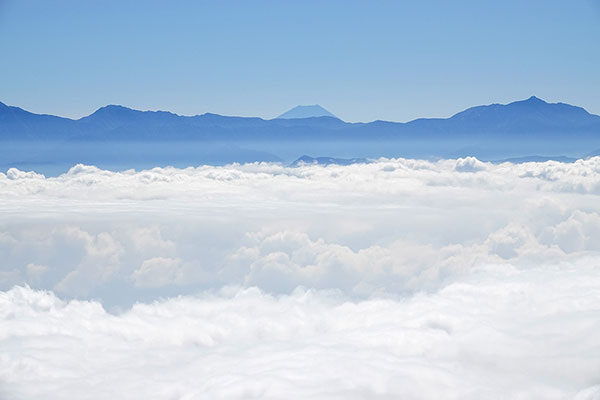
Enjoy panoramic views of Mount Fuji, as well as Mount Kitadake and Mount Ainodake, Japan’s second- and third-highest peaks.

The Central Alps can be enjoyed throughout the year from spring to winter with Alpine Plants, Autumn Leaves, and snowy mountains.
We will introduce you how to enjoy them according to the season and your purpose.
Even at the height of summer in July and August, temperatures at Senjojiki Cirque remain cool, with daytime highs of around 20°C. In February, the coldest month of the year, temperatures can drop below -20°C.
For this reason, dressing only for the temperatures in the lowlands can leave you unprepared, even in summer. Never underestimate the mountain. Dress more warmly than you would at lower elevations, and be sure to bring extra layers.
| Highest Temperature | Lowest Temperature | Average Temperature | Average Snow Depth | Recommended Clothing for the Senjojiki Cirque Area | |
|---|---|---|---|---|---|
| January | -1°C | -20°C | -9.5°C | 210 cm |
 Good protection from the cold everywhere! Good protection from the cold everywhere!
|
| February | -1°C | -25°C | -13°C | 300 cm | |
| March | 6°C | -20°C | -7°C | 390 cm | |
| April | 11°C | -14°C | -1.5°C | 390 cm |
|
| May | 12°C | -5°C | 3.5°C | 280 cm | |
| June | 18°C | -1°C | 9.5°C | 90 cm | |
| July | 21°C | 5°C | 13°C | – |
|
| August | 20°C | 8°C | 14°C | – | |
| September | 18°C | 4°C | 11°C | – | |
| October | 15°C | -3°C | 6°C | – | |
| November | 8°C | -10°C | -1°C | 20 cm |
|
| December | -1°C | -17°C | -9°C | 90 cm |
In the Central Alps, from the time the snow begins to melt through the fall, a wide variety of flowers bloom as if competing with one another. These flowers have survived by enduring the harsh natural environment of the alpine zone since the Ice Age, but once destroyed, it takes a very long time for the natural ecosystem to recover. It is also a fact that they are facing a risk of decline or extinction year by year due to illegal picking and trampling. Ropes have been strung along the trails to protect alpine plants, but even areas without ropes are designated as “No Entry Zones,” so please be careful not to stray from the trails. To ensure that the lives of these fragile yet lovely flowers, which have survived since the Ice Age, are passed on to future generations, we ask for the cooperation of all visitors to the Central Alps in protecting the natural environment.

In addition to the illegal collection of alpine plants and trampling vegetation, littering is a major threat to the natural environment. Please take all of your trash with you when you leave. Leaving litter in the mountains harms local wildlife and ecosystems, ultimately damaging the natural environment. Thank you for helping us keep the mountains clean.
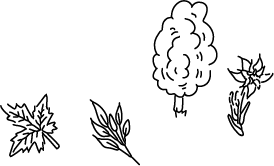
You may not collect, move, or remove any plants, animals, insects, dead trees, fallen branches, or fallen leaves without permission. Engaging in such activities on your own initiative constitutes a violation of the Natural Parks Act, the Forest Act, and the Act on the Protection of Cultural Properties. Selfish actions, such as thinking “it’s just a little bit,” lead to the destruction of nature. We earnestly ask for your continued understanding and cooperation in protecting the natural environment so that we may preserve a place where your children, grandchildren, and future generations can experience the wonders of nature and learn its importance.