The Central Alps, where you can enjoy the outdoors all year round, from spring through winter
The Central Alps offer year-round enjoyment from spring through winter, featuring alpine flora, autumn foliage, and snow-capped mountains.
Here, we’ll introduce ways to enjoy the area based on the season and your interests.
The Central Alps in SpringApril–June
SPRING
While the base of the mountain offers cherry blossoms in spring, Senjojiki Karu is a dazzling world of lingering snow.
The entire Karu area is a vast ski slope. On the snowfields, you can enjoy dynamic snowboarding, skiing, snowshoeing, and other winter activities.
*We recommend wearing snowshoes or crampons when exploring the valley.
Please contact us for details, including current snow conditions.
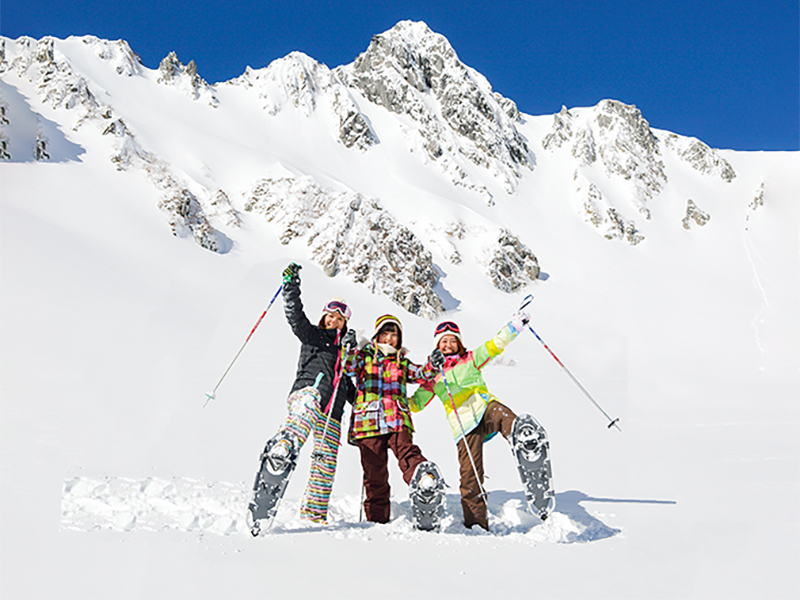
Snowshoeing
Snowshoeing is an activity that everyone from children to adults can enjoy. As you explore Senjojiki Cirqueon snowshoes, you’ll see Mt. Hoken—the symbol of the Central Alps—right before your eyes, and when you turn around, you’ll have a clear view of the Southern Alps and Mt. Fuji. Right in the heart of Senjojiki Cirque, take in the breathtaking 360-degree panoramic views of the snow-capped mountains to your heart’s content.

Backcountry skiing
Formed during the Ice Age, this majestic cirque features rugged rock faces reminiscent of the European Alps and a silvery-white landscape that seems to absorb all surrounding noise. Located in the high-altitude mountain range, the Central Alps are one of Japan’s premier spring skiing destinations.
The Central Alps in SummerJuly–August
SUMMER
The short, refreshing summer in the high mountains. In the mornings and evenings, cool air envelops the mountaintops. The entire cirque area is a field of alpine flowers.
Species such as black lily, dwarf saxifrage, rock saxifrage, Japanese rhododendron, and alpine snowbell bloom with delicate flowers. Even in the height of summer, the maximum temperature hovers around 20°C, making it the perfect season for hiking. Thanks to its excellent accessibility and prime location surrounded by many mountains, this season attracts numerous mountain enthusiasts, from beginners to advanced hikers alike.
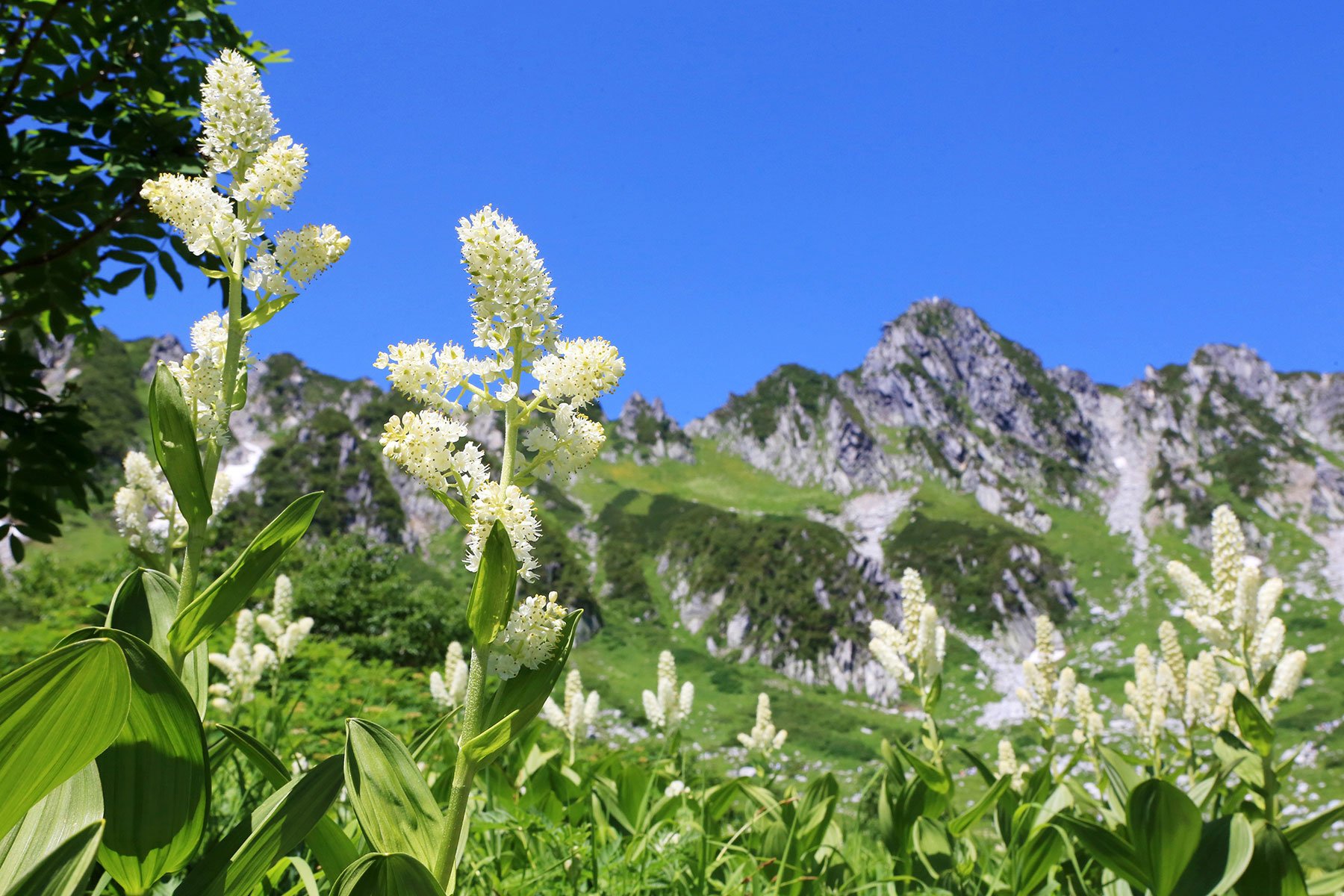
Alpine plants
Senjojiki Cirque is famous as a treasure trove of alpine plants. Some 150 varieties of delicate alpine flowers bloom in a riot of color. Take a stroll along the 45-minute loop trail while enjoying the cool mountain breeze, and you can admire these rare flowers up close.
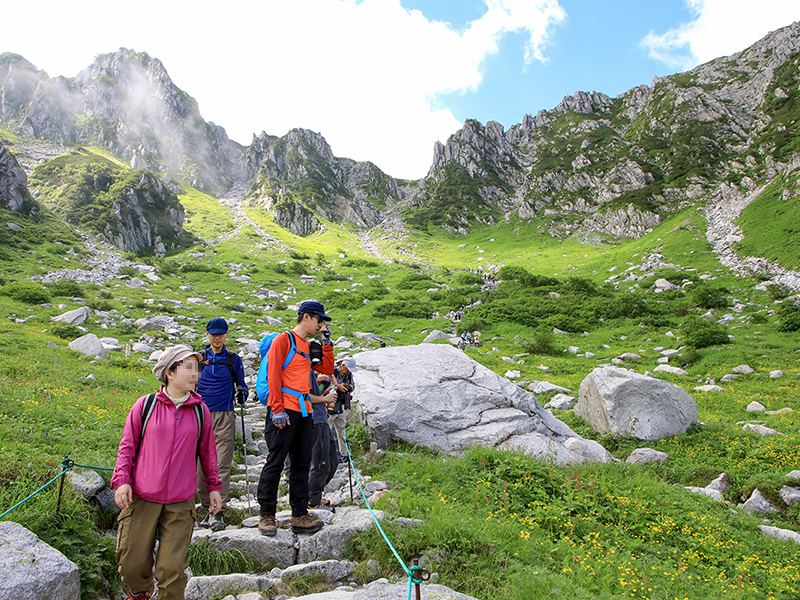
Mountain Climbing & Walking
With easy access to the alpine zone at an elevation of 2,612 meters by bus and ropeway, this is an ideal destination for beginner hikers and trekkers. At the same time, it is also a dream destination for experienced mountaineers. Traversing the peaks of Japan’s 100 Famous Mountains is widely regarded as a challenge that every mountain enthusiast should take on at least once.
The Central Alps in AutumnSeptember–October
AUTUMN
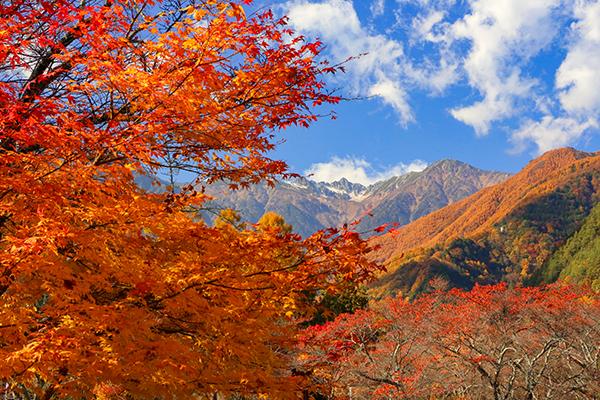
In autumn, the beautiful autumn foliage descends from the mountaintops to the foothills. The mountain slopes are dyed in vivid shades of crimson and gold.
The autumn foliage, the green dwarf pine, and the white rocks create a stunning contrast.
Autumn Foliage
Autumn at Senjojiki Cirque begins with the colorful autumn foliage of small alpine plants, including Chinguruma. As the season progresses, the trees begin to change color, and from late September to early October, the area around Senjojiki Cirque and Mt. Hokendake is transformed into a breathtaking landscape. The brilliant red of the mountain ash, the golden yellow of Japanese white birch, the green of Japanese dwarf pine, and the dramatic white rock faces create a stunning contrast. Around mid-October, the first snowfall usually arrives at Senjojiki Cirque. If the timing is right, you can witness the magical “three-tiered autumn foliage”—snow on the summit, vibrant autumn colors on the mountainsides, and green forests at the foot of the mountain.
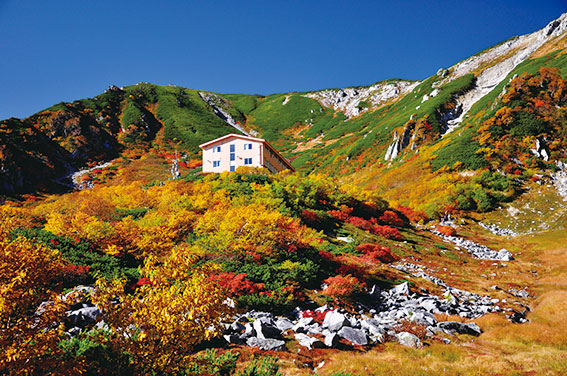
Photographed in early October
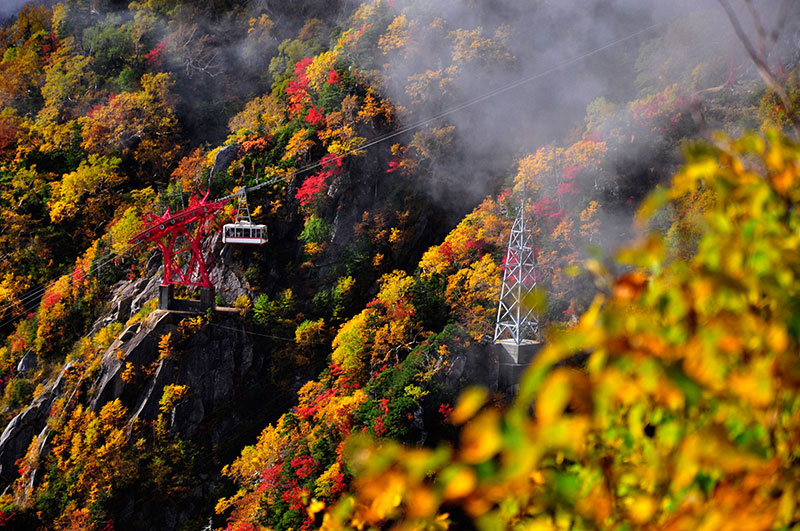
Photographed in early October
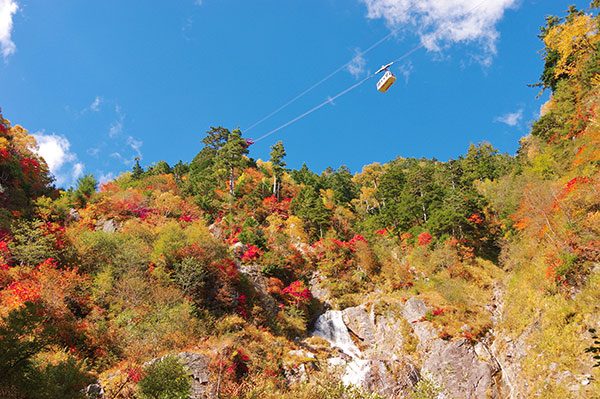
Photographed in Late October
The Central Alps in WinterNovember–March
WINTER
The world of pure white snow possesses a crisp, pristine beauty. You can’t help but be captivated by the magical splendor of the rime-covered trees glistening in the morning sun.
You can also witness firsthand the sight of climbers tackling the harsh winter mountains.
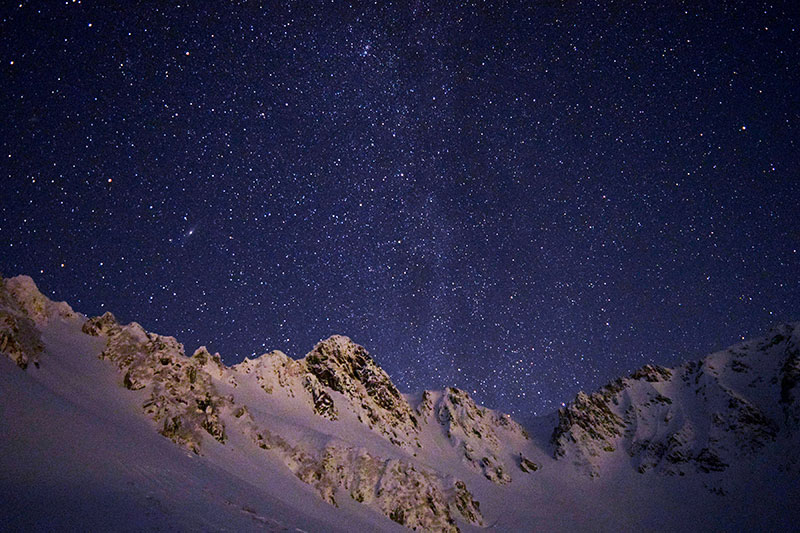
Starry Sky
At Senjojiki Cirque, where conditions are ideal—“the air is clear and free of dust due to the high altitude,” “the stars are clearly visible because there are no lights in the vicinity and it is very dark,” and “you can enjoy the view in a soundless, tranquil environment”—as many as 3,000 stars fill the night sky.
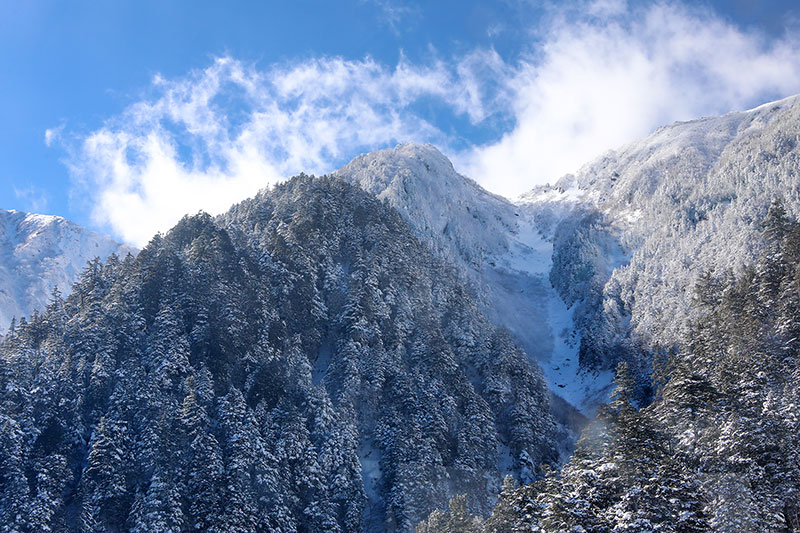
Rime Ice
At an elevation of 2,612 meters, winter temperatures can drop to -20°C. This is the only season when you can experience spectacular natural phenomena such as the magical rime ice that coats the trees, diamond dust, shukabura (wind-sculpted snow formations), and the distinctive clicking sound (naki-yuki), the crisp squeak of snow beneath your feet with every step.