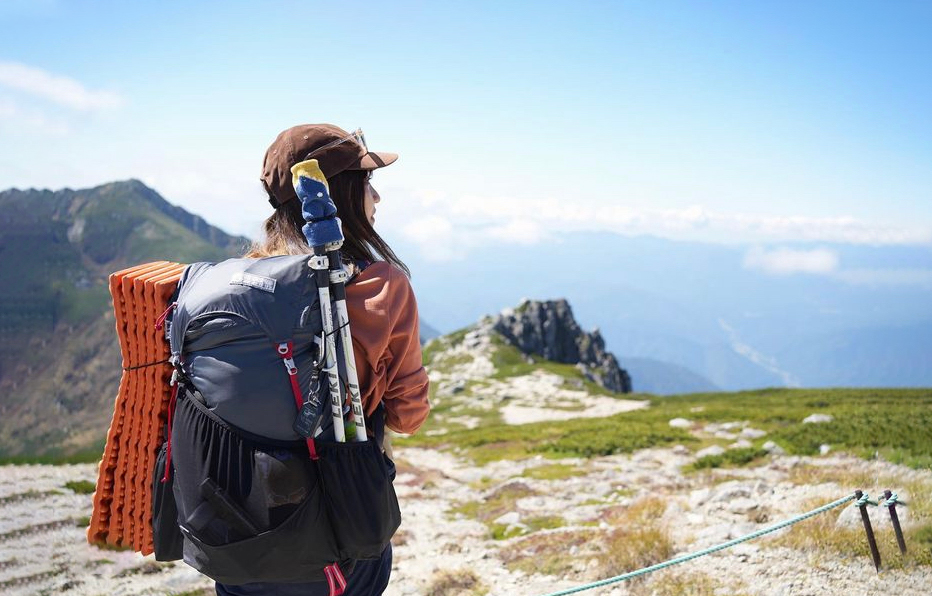
Temperatures at Senjojiki Cirque remain cool throughout the year. Even during the height of summer in July and August, daytime temperatures typically reach only around 20°C. In February, the coldest month of the year, temperatures can fall below -20°C. For this reason, clothing suitable for the lowlands is not sufficient, even in summer. Never underestimate mountain conditions. Wear warmer clothing than you would normally wear at lower elevations, or bring extra layers so you can adjust to changing temperatures.
| High | Low | Average | Average Snow Depth | Recommended Clothing for the Senjojiki Cirque Area |
|
|---|---|---|---|---|---|
| January | -1°C | -20°C | -9.5°C | 210cm |
 Be sure to protect yourself from the cold! Be sure to protect yourself from the cold!
|
| February | -1°C | -25°C | -13°C | 300cm | |
| March | 6°C | -20°C | -7°C | 390cm | |
| April | 11°C | -14°C | -1.5°C | 390 cm |
|
| May | 12°C | -5°C | 3.5°C | 280cm | |
| June | 18°C | -1°C | 9.5°C | 90cm | |
| July | 21°C | 5°C | 13°C | – |
|
| August | 20°C | 8°C | 14°C | – | |
| September | 18°C | 4°C | 11°C | – | |
| October | 15°C | -3°C | 6°C | – | |
| November | 8°C | -10°C | -1°C | 20cm |
|
| December | -1°C | -17°C | -9°C | 90cm |
Layering is the key to comfortable and safe mountain hiking. Rather than wearing one thick garment, wear multiple layers that you can add or remove as temperatures change.
Avoid cotton clothing whenever possible. Cotton absorbs moisture easily and dries slowly, so if it becomes wet from perspiration or rain, it can quickly lower your body temperature. This not only increases fatigue but can also lead to hypothermia.
Instead, choose clothing made from quick-drying synthetic fabrics, such as polyester, or wool, which provides excellent insulation even in cool conditions. Polyester is ideal for warm weather, while wool is better suited to cooler seasons.
Pack only the clothing you need and adjust your layers as conditions change. Remove a layer when you become too warm, and add one when temperatures drop.
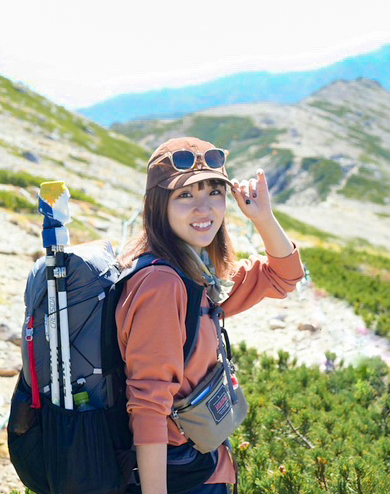

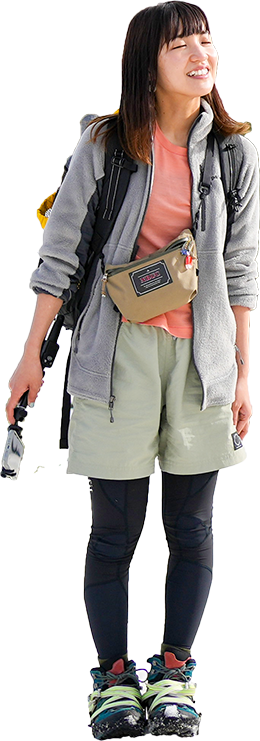
As temperatures rise, a short-sleeved T-shirt is comfortable while climbing. However, mountain weather can change quickly, so I also wore a fleece jacket for extra warmth. Since patches of snow may still remain, I wore lightweight crampons as well. Pink and off-white make a perfect spring color combination!
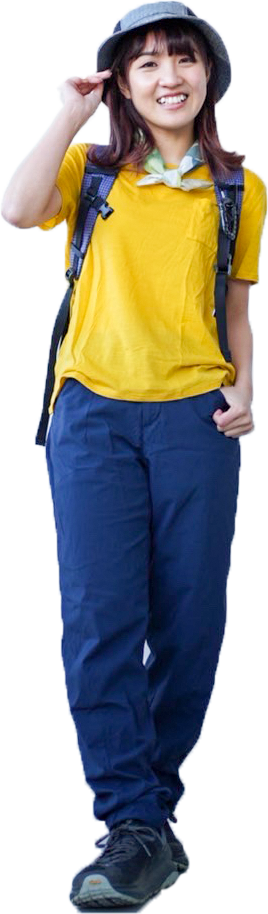
I wore slightly loose-fitting pants, a bandana to protect my neck from the sun, and a hat. The sun’s UV rays are especially strong in the mountains, so proper sun protection is essential.
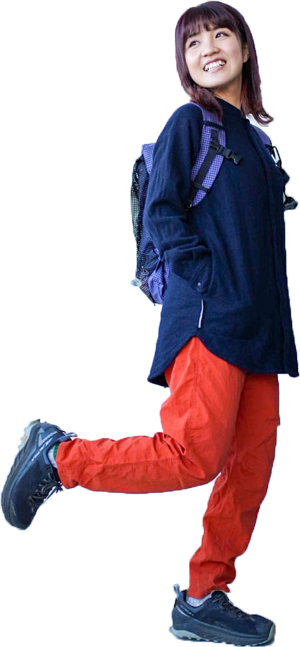
I paired thick pants in autumn colors with a wool shirt. The longer length adds both warmth and style!
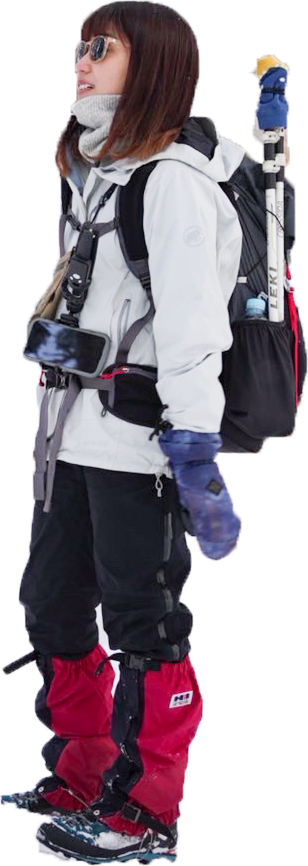
I wear a merino wool base layer, a fleece, and a hard shell jacket. I also wear waterproof rain pants over my tights and hiking pants. Sunglasses and gloves are essential. Since layering can become bulky, I choose a close-fitting base layer and fleece to stay comfortable.
The following list includes the basic equipment recommended for mountain climbing.
It is intended for summer mountain climbing. Be sure to bring any additional gear you may need based on the season, weather conditions, and your planned route.

Sturdy hiking boots that provide good ankle support are essential. Take the time to choose a pair that fits your feet comfortably.
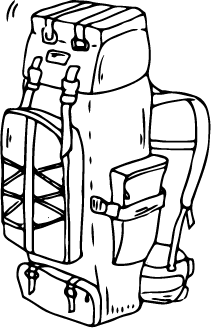
For a day trip, a 20–30 L daypack is generally sufficient. Don’t forget to bring a rain cover to keep your backpack dry in wet weather.
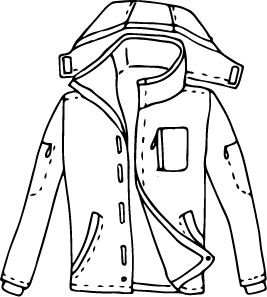
A waterproof jacket and pants are recommended. Choose breathable, waterproof materials such as GORE-TEX. Rain gear also provides valuable protection against the cold, making it an essential piece of mountain climbing equipment.
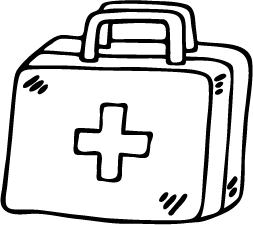
Carry a basic first-aid kit in case of emergencies. It provides both practical support and peace of mind.

A hat helps protect you from strong UV rays and heat-related illness. A cap with a brim also helps keep rain off your face.
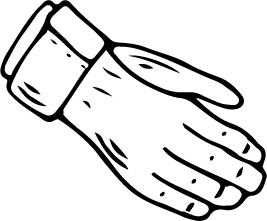
Gloves protect your hands from the cold as well as cuts and scrapes. Avoid cotton work gloves, as they absorb moisture and dry slowly, making them unsuitable for mountain climbing.

Plastic bags are useful for many purposes, such as storing wet clothing or packing out your trash. Always take your trash home with you.

One important consideration is replacing the vitamin C and salt lost through perspiration. Bring nutritious snacks that help replenish your energy.

Staying hydrated is essential. A plastic bottle is fine during the summer, but be sure to bring plenty of water.

Carry a map, guidebook, and compass together. A compass is essential for reading a map correctly.
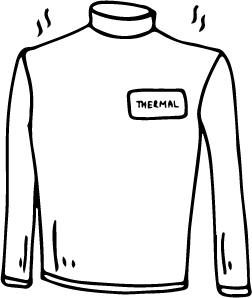
Bring warm clothing even in summer. A fleece jacket or down jacket is recommended.

A towel is useful not only for wiping away sweat, but also for first aid and sun protection.

Tissues, toilet paper, or wet wipes are all useful. They come in handy for meals, first aid, and many other situations.

Carry a copy of your health insurance card in case you need medical treatment for an injury during mountain climbing.