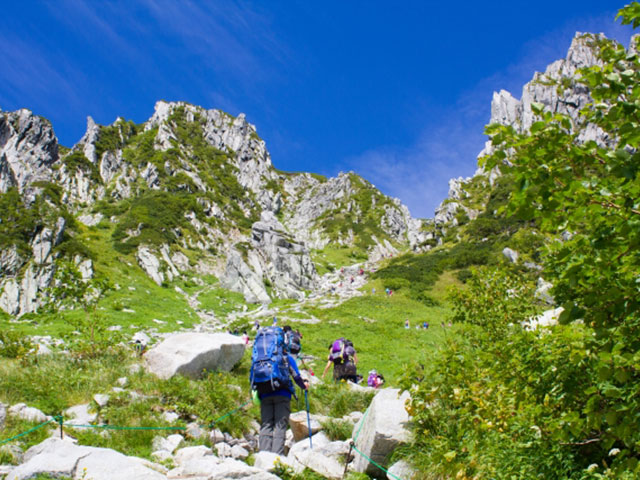
Mountain climbing always involves inherent risks. Whether you are a beginner or an experienced climber, be sure to follow proper mountain etiquette and enjoy your climb safely.



Mountain weather can change rapidly, and temperatures are often much lower than at lower elevations, so always be prepared. Even during the summer, daytime temperatures average around 12°C. It can feel quite chilly in the shade, so a long-sleeved jacket and long pants are recommended.
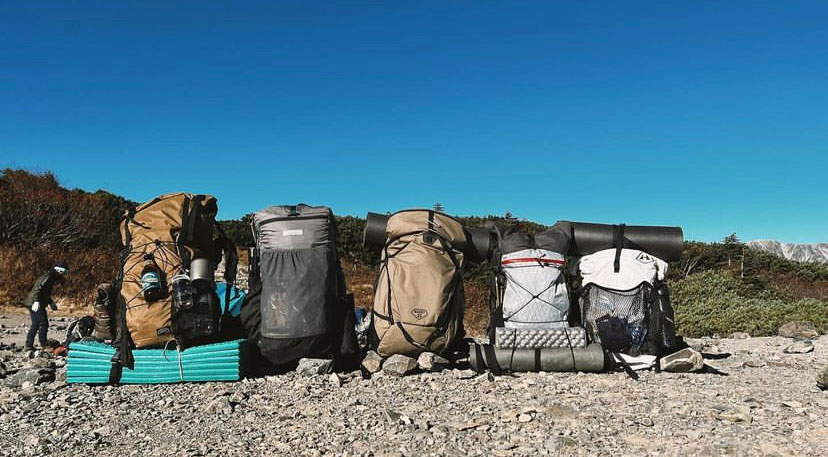
Wear sturdy athletic shoes or hiking boots, and don’t forget essential items such as gloves, a hat, and rain gear. Although rain gear is one of the most important items to carry, it is often overlooked. Avoid climbing in light clothing such as sandals or shorts, as this greatly increases the risk of injury.
If you encounter a thunderstorm while on an exposed ridgeline, leave the area as quickly and safely as possible, as ridgelines are particularly vulnerable to lightning strikes. Be especially cautious when thunderclouds begin to form or when temperatures rise or fall unusually quickly.
When climbing at elevations above 2,500 meters, your body must acclimatize to lower oxygen levels. If you gain altitude too quickly or are not feeling well, your body may not acclimatize properly, increasing the risk of altitude sickness. Symptoms of altitude sickness may include unsteady footing, a rapid heartbeat, headache or a feeling of heaviness in the head, nausea, loss of appetite, fatigue, and heartburn. If you experience any of these symptoms, you may be suffering from altitude sickness.
If your symptoms are mild, stop climbing and rest at the same elevation. Recovery usually takes at least one night. If your condition does not improve, descend to a lower elevation. Do not continue climbing to a higher elevation, as this may worsen your symptoms.
If you have a heart condition, high blood pressure, another underlying medical condition, or are not feeling well, avoid pushing yourself. At high elevations, atmospheric pressure and oxygen levels are lower, placing additional strain on your body.
The ropeway provides easy access to elevations above 2,600 meters, but the rapid gain in altitude can make it difficult for your body to acclimatize, increasing the risk of altitude sickness. Before setting out, make sure you are in good physical condition.
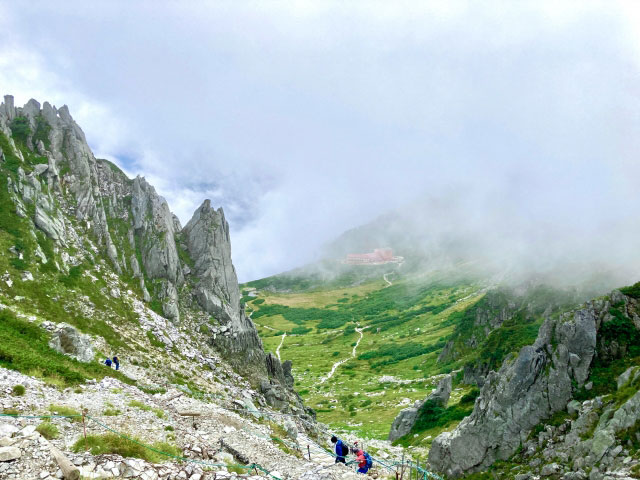
If fog develops, remain calm and wait until visibility improves before continuing. Carefully check the surrounding terrain and confirm your route before proceeding. It is also a good idea to carry basic first-aid supplies, such as bandages and adhesive bandages, in case of an emergency.
Always remember that your safety is your own responsibility, and act with care at all times.