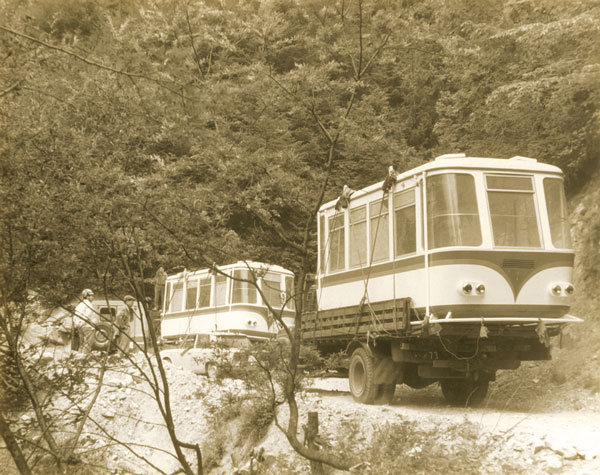
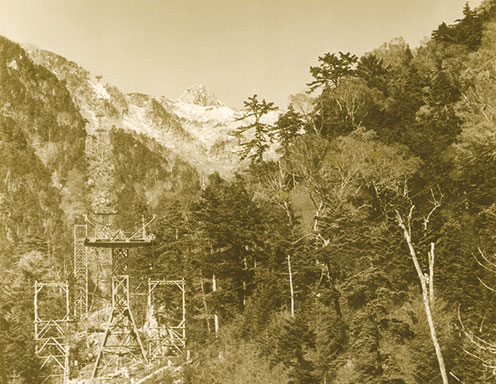
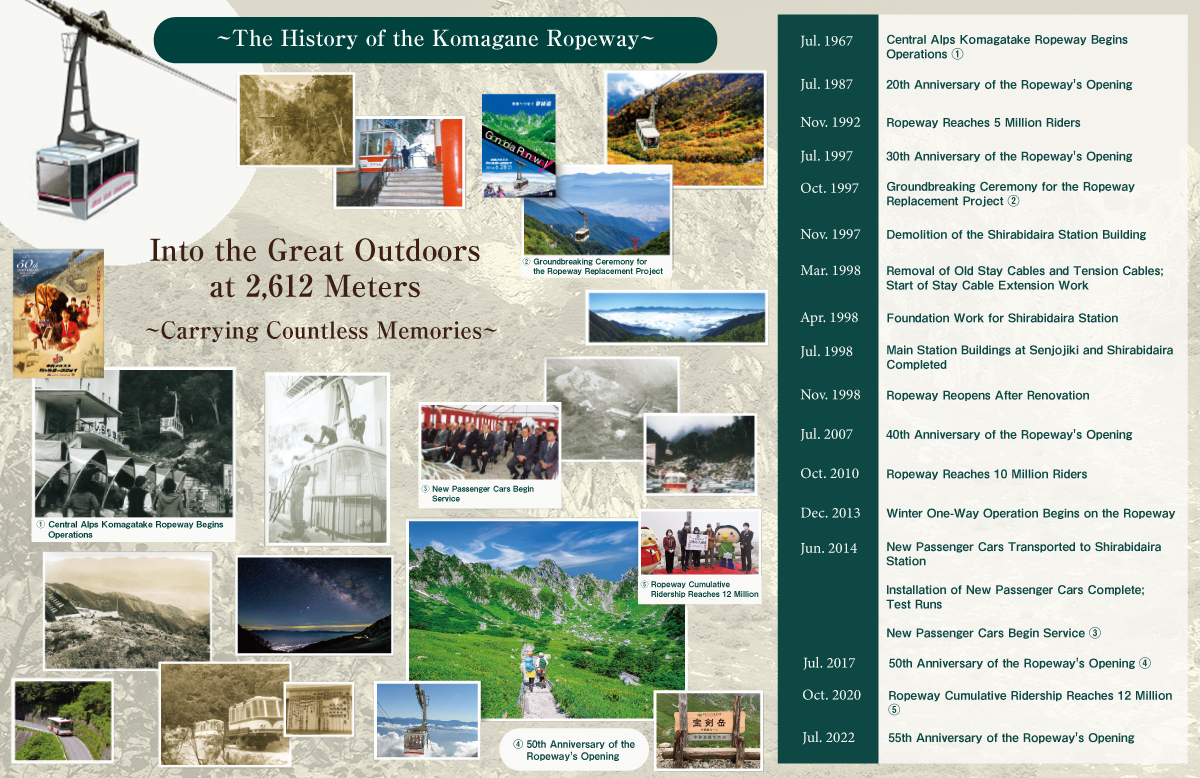
Completed after approximately two years of construction, the Komagatake Ropeway was Japan’s first mountain ropeway. Since then, the spectacular alpine scenery—once accessible only to experienced mountaineers—has become something everyone can enjoy.
The original gondolas were named Kuroyuri and Suzuran, and the Route Buses were a different model from those in service today.
It’s easy to imagine the excitement surrounding the ropeway when it first opened, attracting visitors from across Japan as one of Nagano Prefecture’s newest tourist destinations.
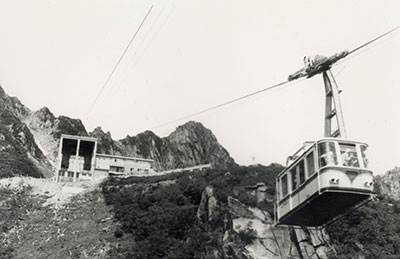
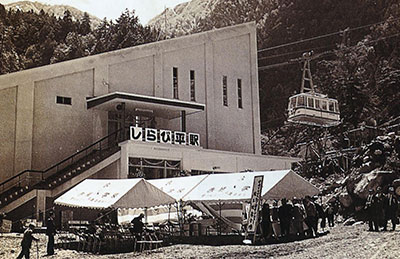
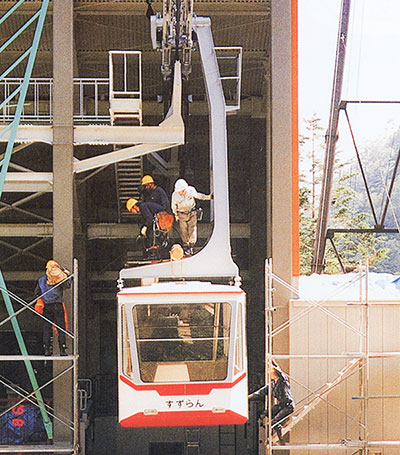
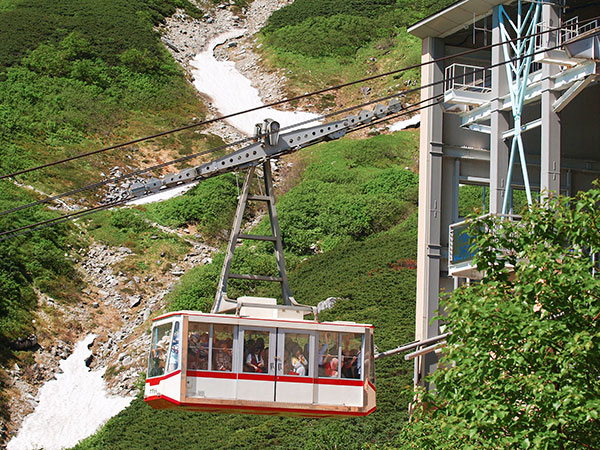
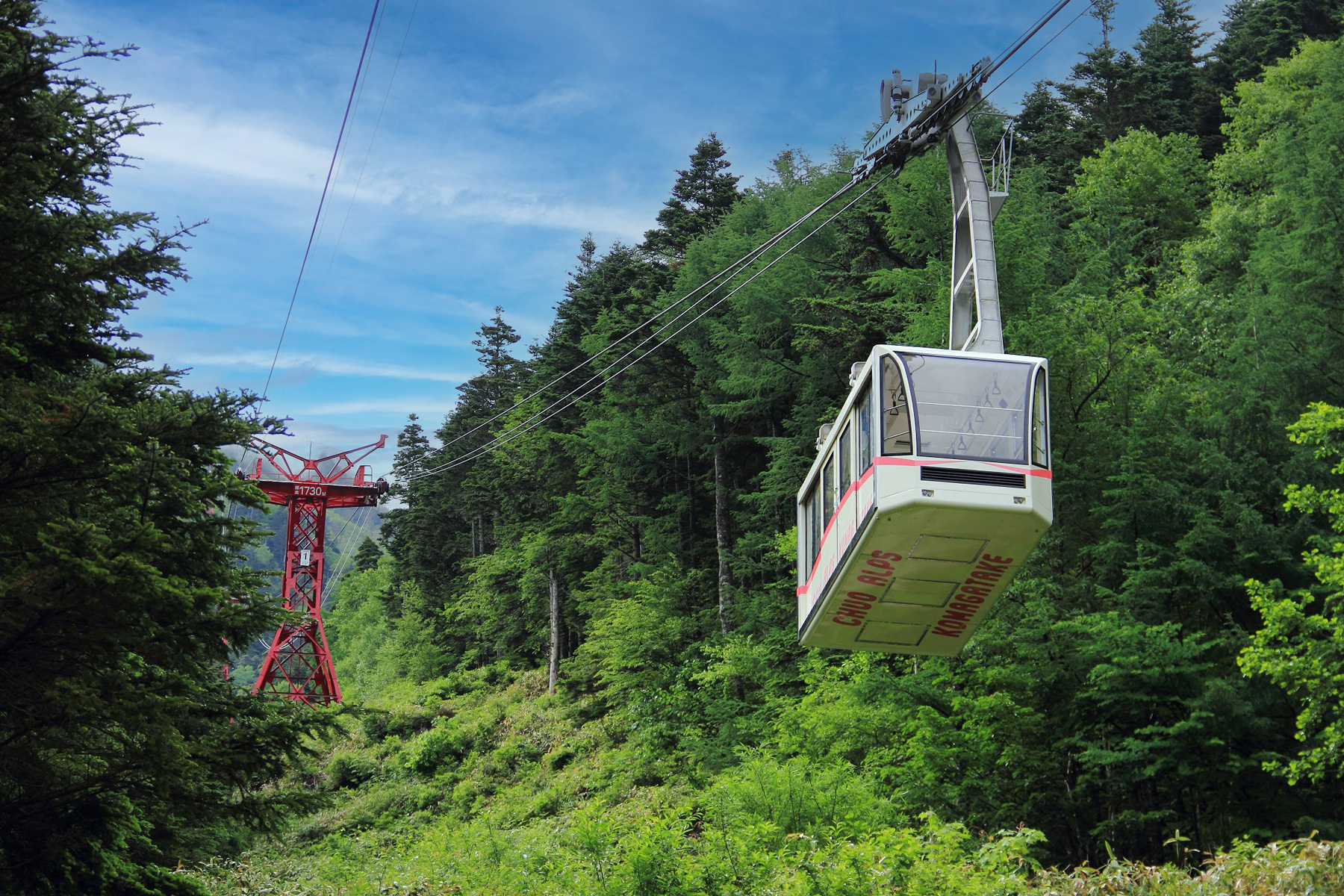
In November 1998, 31 years after the Komagatake Ropeway first opened, a major renovation project was completed. The original station buildings were replaced, the track ropes were renewed, and new gondolas were introduced. The project took approximately two years to complete, and the gondolas were redesigned with a simple red-and-white color scheme.
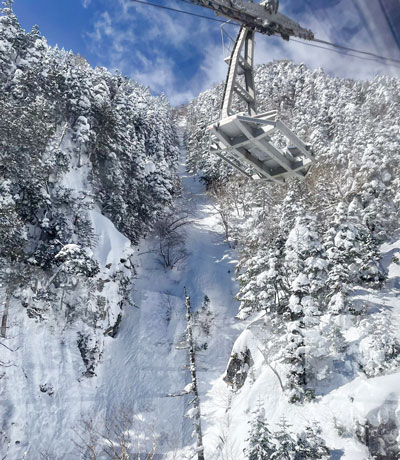
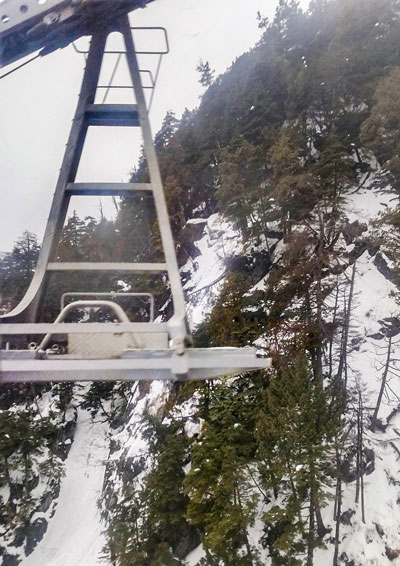
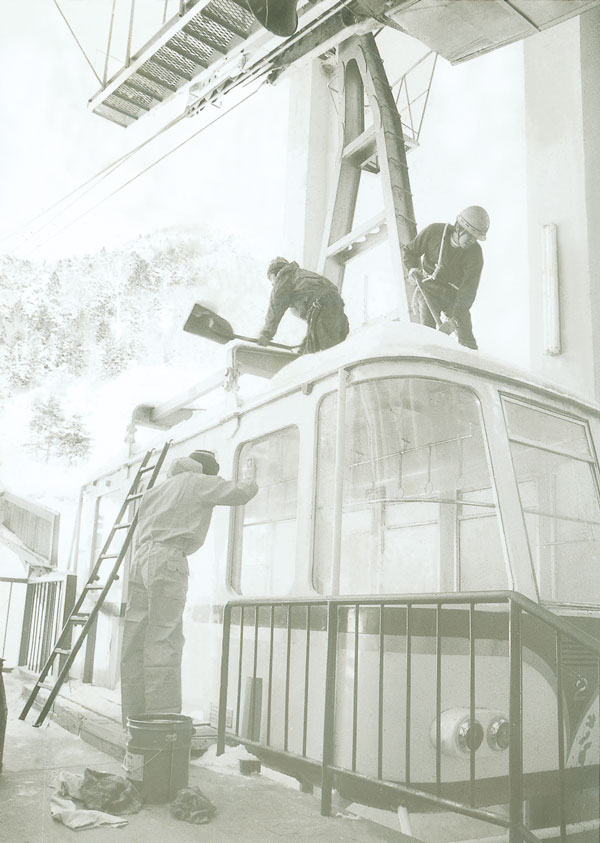
Every year, heavy snow falls in the Every winter, heavy snowfall blankets the Central Alps. To prevent the mountain-side gondolas from coming into contact with accumulated snow, the ropeway began operating with a single cabin instead of two.
Before this change, staff had to clear snow from the line after every snowfall. The introduction of single-cabin operation made winter operations safer and more efficient.
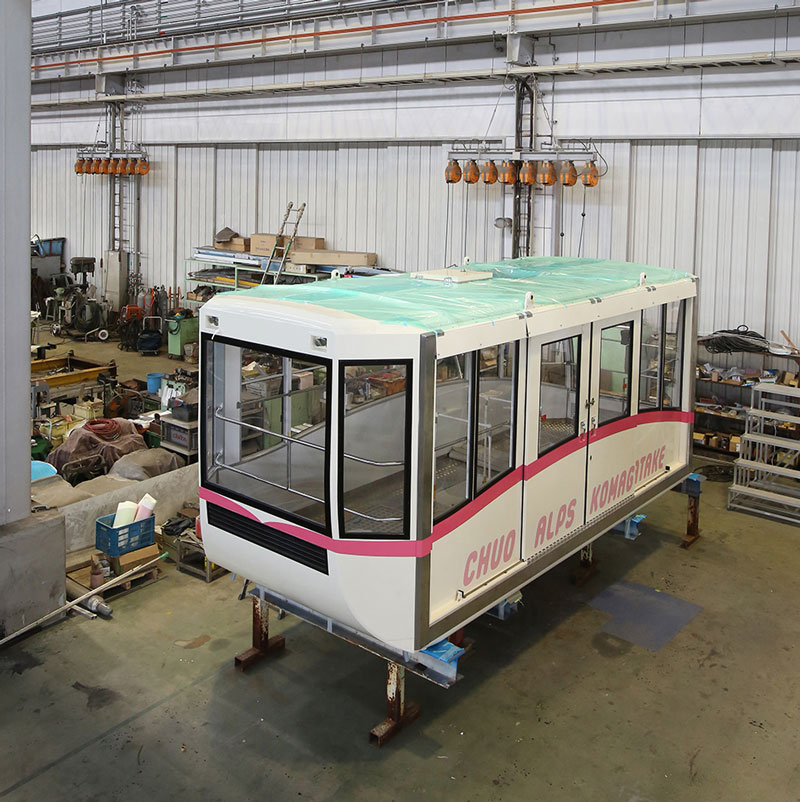
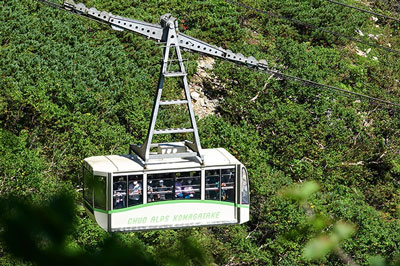
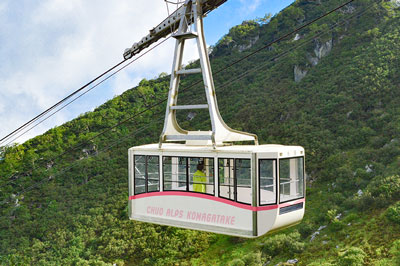
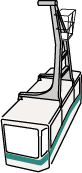
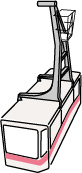
The current gondolas are named “Mokuren (pink)” and “Hoken (green)”. Their names were chosen through a public naming contest.
Mokuren was inspired by the color of magnolia blossoms, whose symbolic meanings include love of nature and endurance. Hoken was named after the vibrant scenery of the mountains in summer.
CHECK
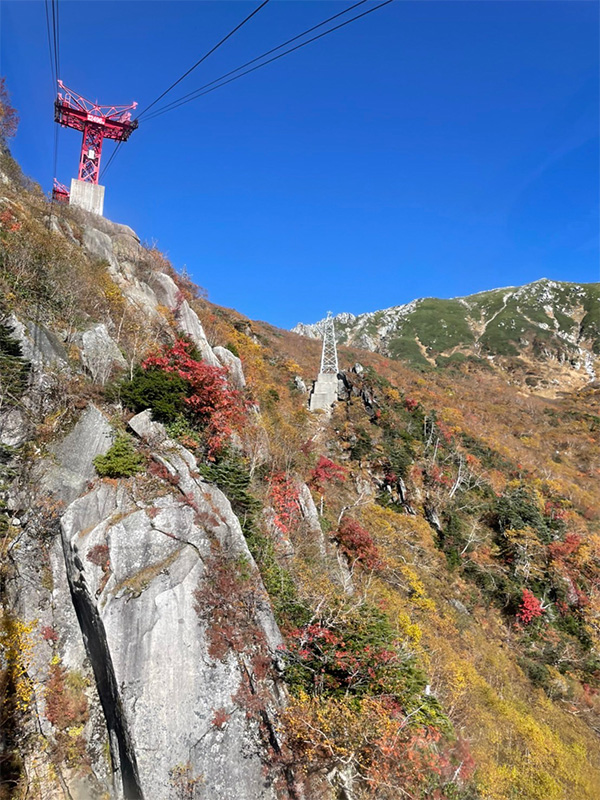
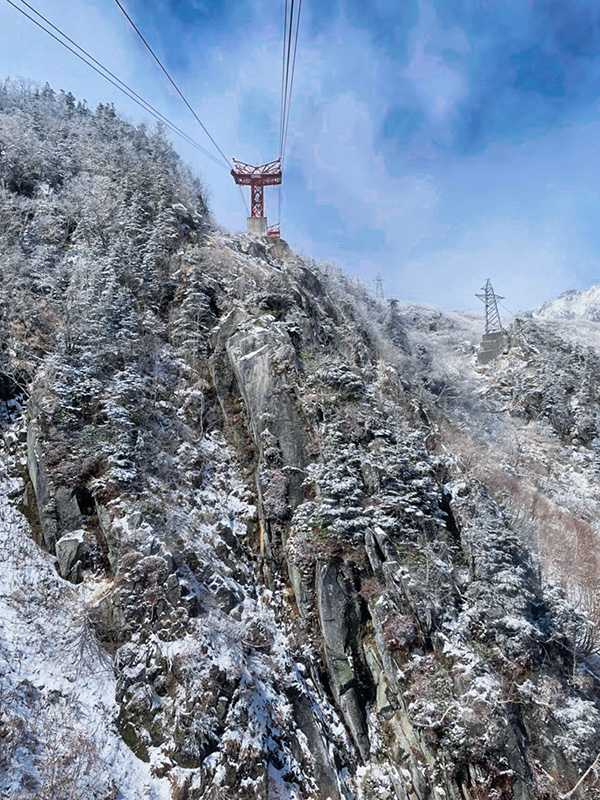
Last but not least is the Steep Rock Face.
During construction of the ropeway, part of the mountainside was cut away. This is the point where the ropeway passes closest to the mountain. The ropeway climbs at an incline of 35°, while the mountainside rises at an angle of 60°. As the gondola glides past the rock face at close range, it’s easy to feel a thrill and wonder just how close it comes.

CHECK
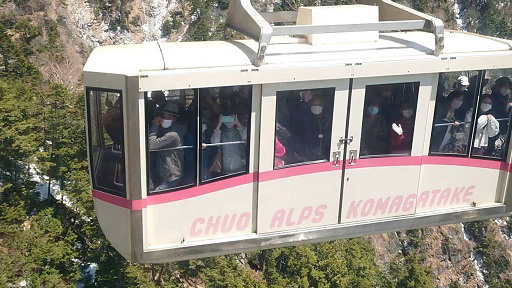
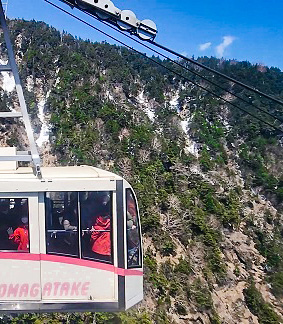
One of the highlights of the ride is watching the two gondolas pass each other in the blink of an eye. Traveling at 7 meters per second (25 km/h), they cross paths in an instant. Moving at about the same speed as a car, it’s an exciting moment you won’t want to miss.
CHECK
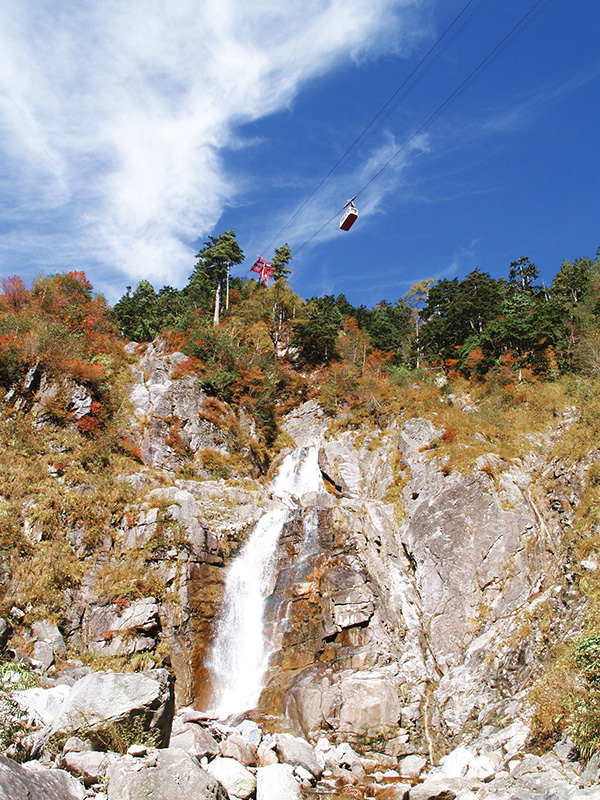
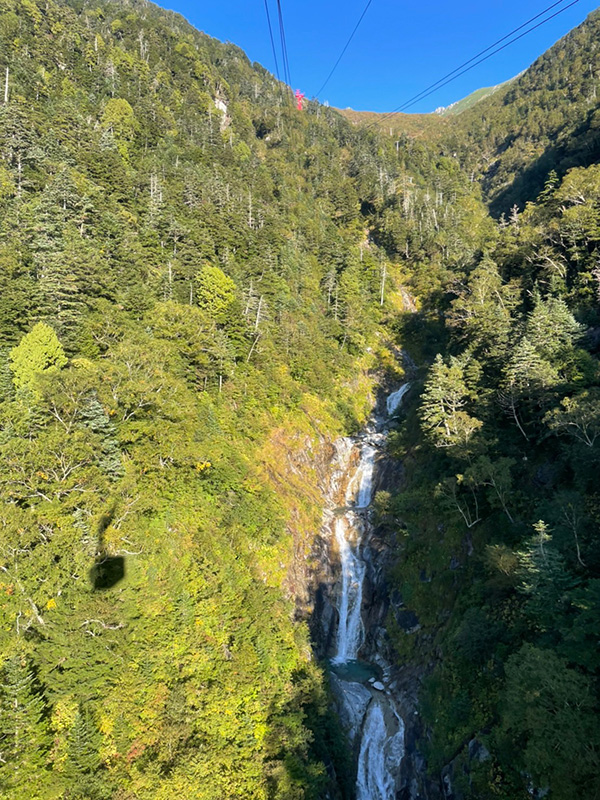
The first scenic highlight after departing Shirabidaira Station is Higurashi Falls. With a drop of approximately 25 meters, the waterfall is especially impressive when viewed from above. It is considered the most beautiful spot along the Nakagosho River, which flows directly beneath the Komagatake Ropeway.
CHECK
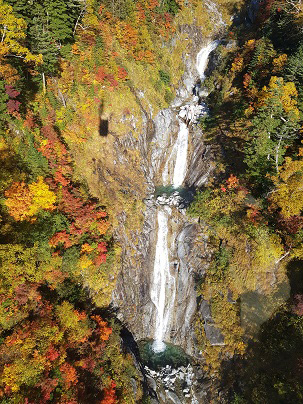
Beyond Higurashi Falls lies the expansive Nakagosho Valley. As the gondola crosses the valley, it reaches a height of approximately 120 meters above the ground.
Straight ahead, you’ll see a spectacular waterfall. The valley offers refreshing scenery in summer and vibrant autumn colors in fall, making it one of the most scenic highlights along the ropeway.
This is one of the Komagatake Ropeway’s must-see viewpoints.
CHECK
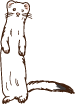
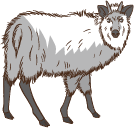
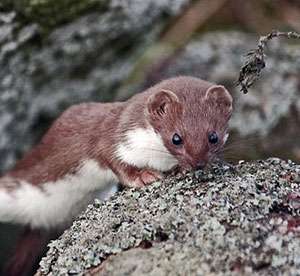
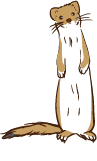
While riding the Komagatake Ropeway, you may occasionally spot wildlife such as Japanese serows and squirrels. Winter is the best season for wildlife watching. On sunny days after a snowfall, Japanese serows can often be seen basking in the sun, so be sure to keep an eye out for them!
CHECK
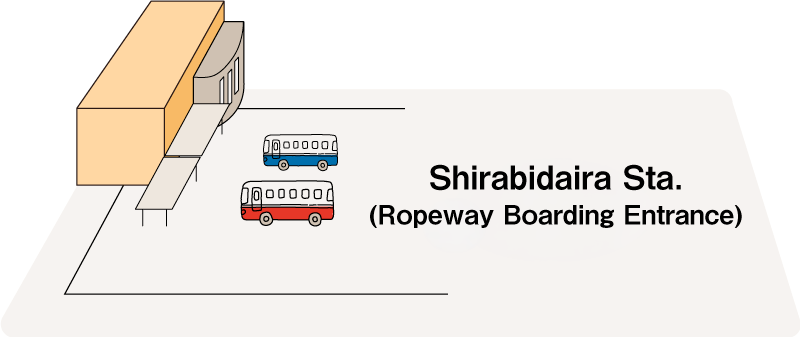
The first scenic highlight after departing Shirabidaira Station is Higurashi Falls. With a drop of approximately 25 meters, the waterfall is especially impressive when viewed from above. It is considered the most beautiful spot along the Nakagosho River, which flows directly beneath the Komagatake Ropeway.
Discover the highlights of the Komagatake Ropeway during your ride.
The Komagatake Ropeway takes approximately 7 minutes and 30 seconds to travel from Shirabidaira Station to Senjojiki Station. With an elevation gain of 950 meters and an upper station at 2,612 meters above sea level—both the highest in Japan—it offers breathtaking scenery and the chance to spot some of the Central Alps’ unique wildlife along the way.
Senjojiki Station, the upper station of the Komagatake Ropeway, is the highest ropeway station in Japan. The elevation gain between Shirabidaira Station and Senjojiki Station is 950 meters, also the greatest of any ropeway in Japan.
Discover how this record-breaking ropeway works.
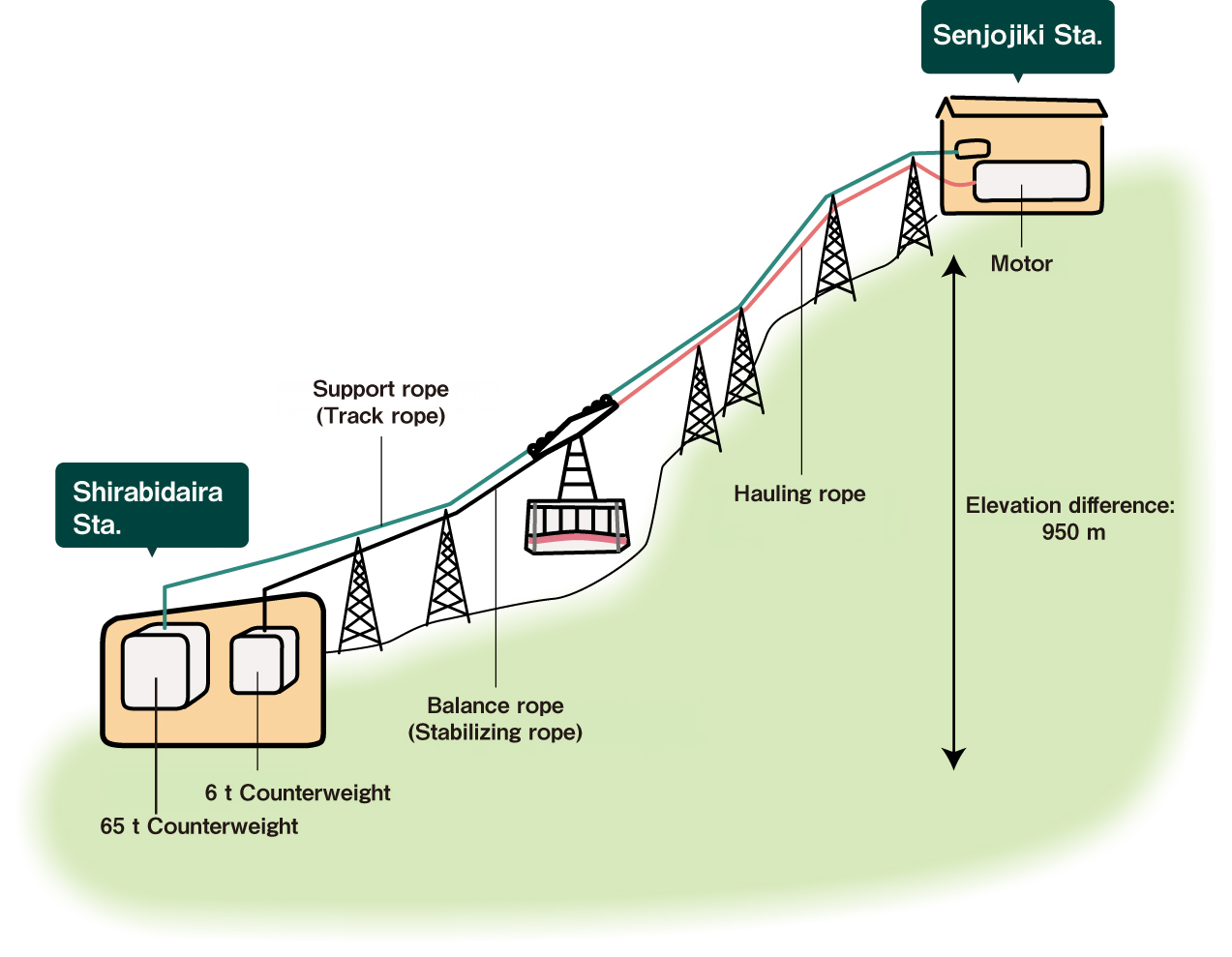
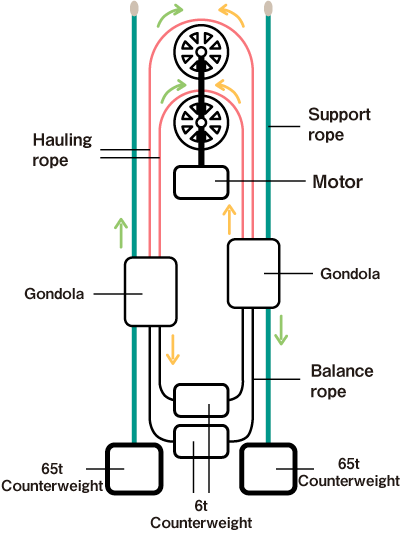
When the motor rotates in the direction of the orange arrow, one gondola ascends while the other descends. When the motor reverses direction and rotates in the direction of the green arrow, the direction of travel is reversed.
The ropeway gondolas have no onboard motor. Instead, a motor at Senjojiki Station drives the haul rope, and the gondolas move by gripping the rope with a device called a grip.
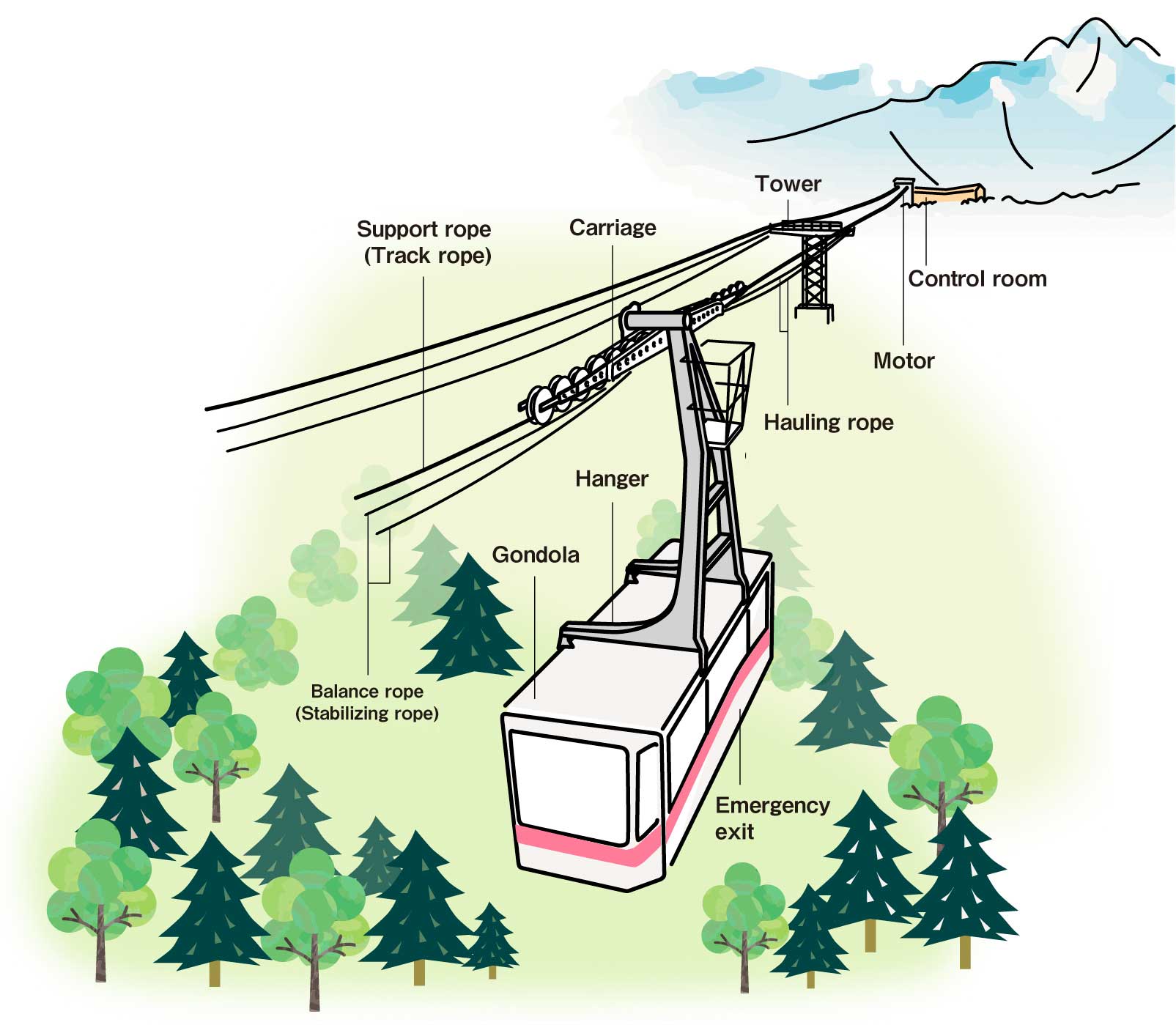
For safety, the gondolas are pulled by two haul ropes. When the motor turns, the gondolas move. Each rope is 26 mm in diameter.
Two track ropes are suspended between Shirabidaira Station and Senjojiki Station. On the Shirabidaira Station side, each rope is tensioned by a 65-ton counterweight. Their smooth surface allows the carriage wheels to roll smoothly. As they support the weight of the gondolas, these are the thickest ropes, measuring 52 mm in diameter.
The two gondolas are connected by a counter rope, which balances their weight and helps keep them stable. The rope is 22 mm in diameter.
A total of six steel towers, ranging in height from 13 to 33 meters, support the ropeway. They carry the three types of ropes used by the system: haul ropes, track ropes, and counter ropes.
The electric motor is located at Senjojiki Station. In the event of a power outage, an emergency drive system takes over.
It is located at Senjojiki Station. To ensure the ropeway operates safely, the speed is adjusted manually as well. When entering the station, the speed is carefully adjusted to prevent the gondola from scraping against the platform.
This is the part that supports the gondola on the track rope. It is fitted with 16 nylon wheels that allow it to move smoothly along the rope.
The hanger connects the gondola to the carrier. It is made of high-strength steel.
It is 6 meters long, 2 meters wide, and 2.5 meters high. It is made of lightweight aluminum and weighs 1.5 tons. It can carry up to 61 passengers.
An evacuation basket, designed to carry one person, is stored here. If the gondola stops due to an emergency or mechanical failure, passengers can evacuate using the basket through this exit.
To ensure safe and reliable operation, the ropeway undergoes daily inspections and test runs. In addition, regular annual maintenance and equipment upgrades are carried out every year.
The Central Alps are home to many rare alpine plants and wild animals. To help protect this fragile natural environment, animals are not permitted in the area.
Even if a pet does not pose a direct threat to local wildlife, bringing animals from lower elevations into the mountains may have unintended effects on the area’s plants and animals. Likewise, pets may be exposed to diseases in the natural environment and carry them back home.
We appreciate your understanding and cooperation in helping to protect the unique ecosystem of the Central Alps.
Certified guide dogs, hearing dogs, and service dogs are permitted.
The following items are subject to a fee or prohibited.

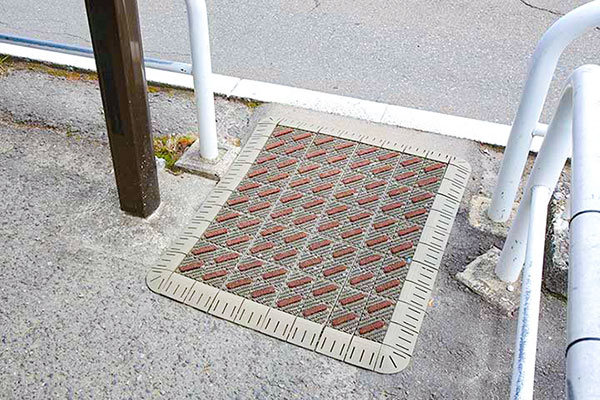
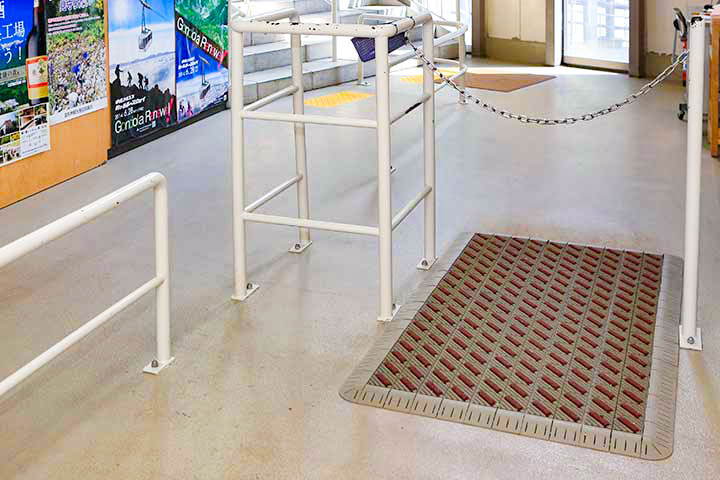
In recent years, the introduction of non-native seeds via shoe soles into mountainous areas has become a growing concern. We prevent seeds from being brought into the facility by placing mats at several locations along the walkways. We appreciate your understanding and cooperation.